OFF THE BENCH PROJECT
Learn how to improve your athletic performance & mobility in just 12 weeks with the Off the Bench Project training program.
-
Welcome to the Off the Bench Project!
Thank you for signing up for the Off the Bench Project Training Program!
Here’s a rundown of everything that you can expect over the next 12-weeks.
-
Training Phase 1 (Weeks 1-4)
-
Training Phase 1 (Weeks 1-4)
-
DAY 1 - Lower Body Unilateral Strength & Upper Body Accessories
A strength-focused lower-body day built around lunge-pattern squats, paired with upper-body accessories. The warm-up drives hip/hamstring prep, the plyos build speed + power, and the main lift develops unilateral strength and stability. Accessories round out shoulders, hamstrings, calves, and biceps.
-
Prep 1A - Foam Roller Single Leg Hamstring ISO
-
Prep 1B - Half-Kneeling Cable Chop (high to low)
-
Plyo 2A - Extensive Pogos
-
Plyo 2B - Ball Slam
-
Main - Unilateral Squat (Front-Rack Reverse Lunge)
-
Accessory 4A - Low Seated Alt. Arnold Press
-
Accessory 4B - Hamstring Curls
-
Extra 10(a) - Calf Raises
-
Extra 10(b) - Alternating Bicep Curls (seated)
-
DAY 2 - Upper Body Unilateral Strength + Anterior Chain Accessories
A strength-focused upper-body day built around alternating presses and pulls, paired with lower-body accessories. The warm-up drives shoulder & abdominal prep, the plyos build speed + power, and the main lift develops unilateral strength and stability. Accessories round out quads, back, triceps, and abs.
-
Prep 1A - Push-up ISO (yielding)
-
Prep 1B - Side Bends
-
Plyo 2A - Medicine Ball Deep Squat Hops
-
Plyo 2B - Medicine Ball Heidens
-
Main - Unilateral Press (DB Alternating Bench Press)
-
Accessory 4A - Seated Leg Extension
-
Accessory 4B - Single Arm Dumbbell Row (on incline bench)
-
Extra 10(a) - Cable Tricep Pressdowns
-
Extra 10(b) - Alternating Leg Lowering (w/ reach)
-
DAY 3 - Unilateral Hip Strength + Rotational Stability
A strength-focused lower-body day built around hinge-pattern deadlifts, paired with upper-body accessories. The warm-up drives knee/quad prep, the plyos build speed + power, and the main lift develops unilateral strength and stability. Accessories round out lats, obliques, back, and delts.
-
Prep 1A - Goblet Squat ISO
-
Prep 1B - Plank
-
Prep 2A - Medicine Ball Scoop Throw
-
Prep 2B - Foot on Wall Single Leg Pogo
-
Main - Unilateral Hinge (Kickstand Single Leg RDL (assisted)
-
Accessory 4A - Seated Alternating Lat Pulldown
-
Accessory 4B - Copenhagen Side Plank (knee reference)
-
Extra 10(a) - Inverted Row
-
Extra 10(b) - Seated Dumbbell Lateral Raises
-
-
Training Phase 2 (Weeks 5-8)
-
Training Phase 2 (Weeks 5-8)
-
DAY 1 - Lower Body Strength & Resiliency
A strength-focused lower-body day built around bilateral squats, paired with upper-body accessories. The warm-up drives yielding lunge prep and rotational qualities. The plyos build speed + power, and the main lift develops bilateral strength and stability. Accessories round out shoulders, hamstrings, calves, and biceps.
-
Prep 1A - Yielding Banded Lunge
-
Prep 1B - Half-Kneeling Cable Chop (horizontal)
-
Plyo 2A - Intensive Pogos
-
Plyo 2B - Staggered Stance Rotational Medicine Ball Throw
-
Main - Bilateral Squat (Front Squat)
-
Accessory 4A - Mid-Seated Overhead Press
-
Accessory 4B - Single Leg Hamstring Curl
-
Extra 10(a) - Single Leg Calf Raises
-
Extra 10(b) - Single Arm Preacher Curls
-
DAY 2 -Upper Body Strength & Lower Body Power
A strength-focused upper-body day built around bilateral presses and pulls, paired with lower-body accessories. The warm-up drives shoulder & hip capsule prep, the plyos build speed + power, and the main lift develops bilateral strength and stability. Accessories round out quads, back, triceps, and abs.
-
Prep 1A - Pull-Up/Chin-Up ISO
-
Prep 1B - Abduction Side Plank
-
Plyo 2A - Split Squat Hops (deep tier)
-
Plyo 2B - Vertical Jump from box
-
Main - Dumbbell Bench Press
-
Accessory 4A - Seated Leg Extension
-
Accessory 4B - Alternating Prone Dumbbell Row
-
Extra 10(a) - Pronated Tricep Pressdowns
-
Extra 10(b) - Dead Bug (bilateral)
-
DAY 3 - Posterior Chain Build & Oblique Strength
A strength-focused lower-body day built around hinge-pattern deadlifts, paired with upper-body accessories. The warm-up drives knee/quad prep, the plyos build speed + power, and the main lift develops bilateral strength and stability. Accessories round out lats, obliques, back, and delts.
-
Prep 1A - Heel on Wall Split Squat ISO (knee behind toe)
-
Prep 1B - Ab Wheel Rollout
-
Plyo 2A - Medicine Ball Alternating Scoop Throws
-
Plyo 2B - Single Leg Hamstring Deceleration Step
-
Main - Dumbbell RDL
-
Accessory 4A - Lat Pulldown
-
Accessory 4B - Copenhagen Side Plank (long lever)
-
Extra 10(a) - Inverted Row (feet elevated)
-
Extra 10(b) - Dumbbell Front Raises
-
-
Training Phase 3 (Weeks 9-12)
-
Training Phase 3 (Weeks 9-12)
-
DAY 1 - Lower Body Power & Explosiveness
A power-focused lower-body day built around bilateral squats, paired with upper-body accessories. The warm-up drives overcoming squat prep. The plyos build speed + power, and the main lift develops bilateral strength and stability. Accessories round out shoulders, hamstrings, calves, and biceps.
-
Prep 1A - Zercher Squat Overcoming ISO
-
Prep 1B - Lateral Shift Oblique Cable Chop (high to low)
-
Plyo 2A - Front Foot Elevated Switch Pogos
-
Plyo 2B - Medicine Ball Chest Pass & Step
-
Main - Bilateral Squat (Back Squat)
-
Accessory 4A - Standing Overhead Press
-
Accessory 4B - Nordic Hamstring Curl
-
Extra 10(a) - Calf-Raise (on leg press machine)
-
Extra 10(b) - Incline Dumbbell Bicep Curl
-
DAY 2 -Upper Body Power & Lower Body Plyometrics
A power-focused upper-body day built around bilateral presses and pulls, paired with lower-body accessories. The warm-up drives overcoming pressing prep and oblique strength. The plyos build speed + power, and the main lift develops bilateral strength and stability. Accessories round out quads, back, triceps, and abs.
-
Prep 1A - Bench Press Overcoming ISO
-
Prep 1B - Abduction Side Bends
-
Plyo 2A - Medicine Ball Switch to Drop (low catch)
-
Plyo 2B - Broad Jump from box
-
Main - Bench Press
-
Accessory 4A - Seated Leg Extension
-
Accessory 4B - Prone Dumbbell Row
-
Extra 10(a) - Skullcrushers
-
Extra 10(b) - Feet on Wall Alternating Cross-Connect
-
DAY 3 - Posterior Chain Power & Obliques
A power-focused lower-body day built around hinge-pattern deadlifts, paired with upper-body accessories. The warm-up drives overcoming hinge prep, the plyos build speed + power, and the main lift develops bilateral strength and stability. Accessories round out lats, obliques, back, and delts.
-
Prep 1A - Trap Bar Kickstand Deadlift Overcoming ISO
-
Prep 1B - Hanging Leg Raise
-
Plyo 2A - Medicine Ball Lateral Scoop Throws
-
Plyo 2B - Single Leg Co-Contraction Steps
-
Main - Barbell RDL
-
Accessory 4A - Lat Pulldown
-
Accessory 4B - Copenhagen Side Bends
-
Extra 10(a) - Dips
-
Extra 10(b) - Dumbbell Lateral Raises (w/ bench reference)
-
-
Congratulations on Completing the Off the Bench Project!
Thank you for signing up for the Off the Bench Project Training Program!
Here’s a rundown of everything that you can expect over the next 12-weeks.
What you’ll learn
-
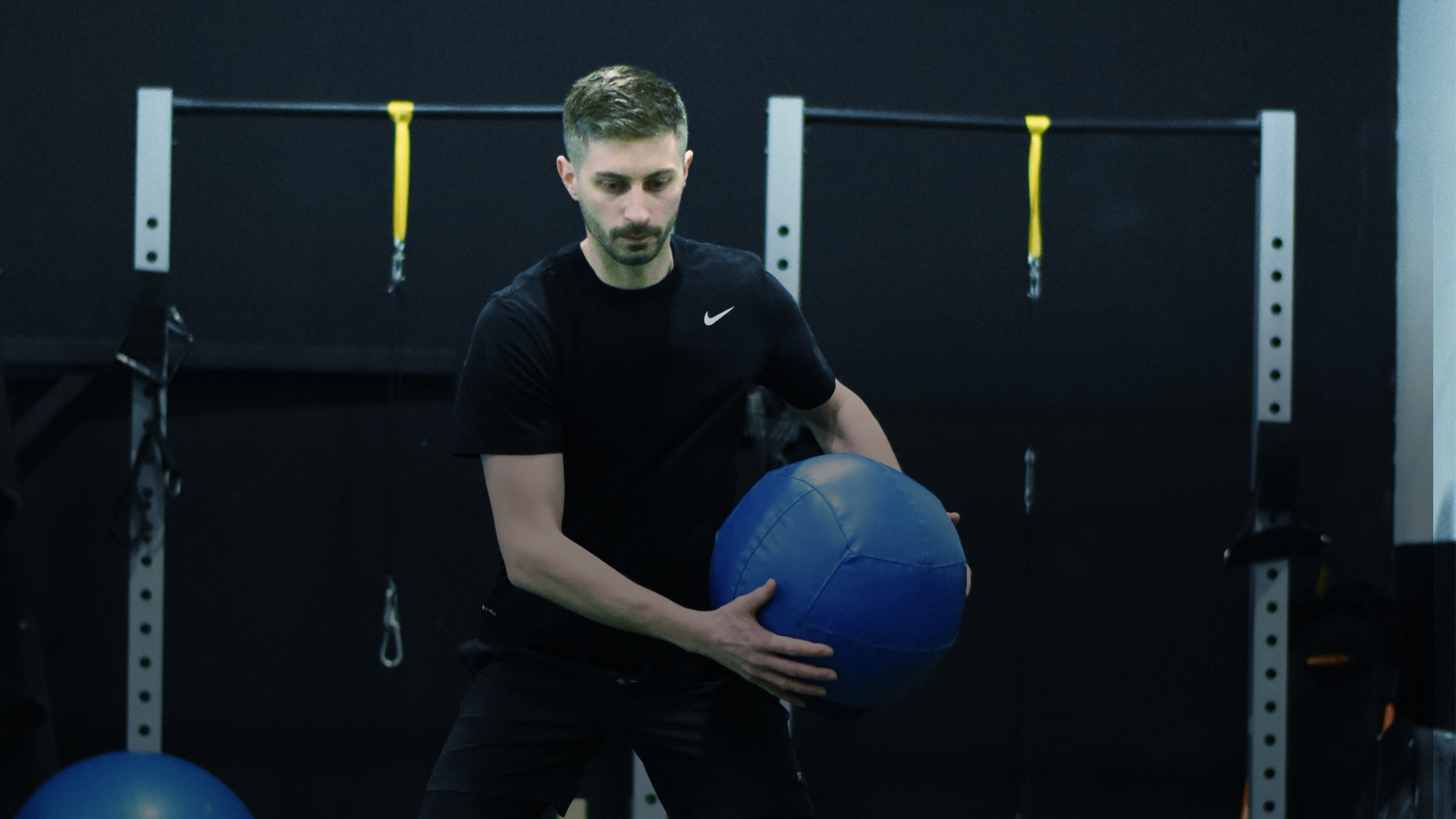
This first phase is all about preparing your body to handle higher levels of training. You’ll focus on improving mobility, joint control, core stability, and movement quality so your body moves the way it’s supposed to before we start loading it heavily.
You can expect:
Mobility work to increase range of motion and reduce stiffness
Core and stability training to support stronger lifts later
Movement pattern training (squat, hinge, push, pull, carry)
Injury-prevention focused exercises to build durability
-
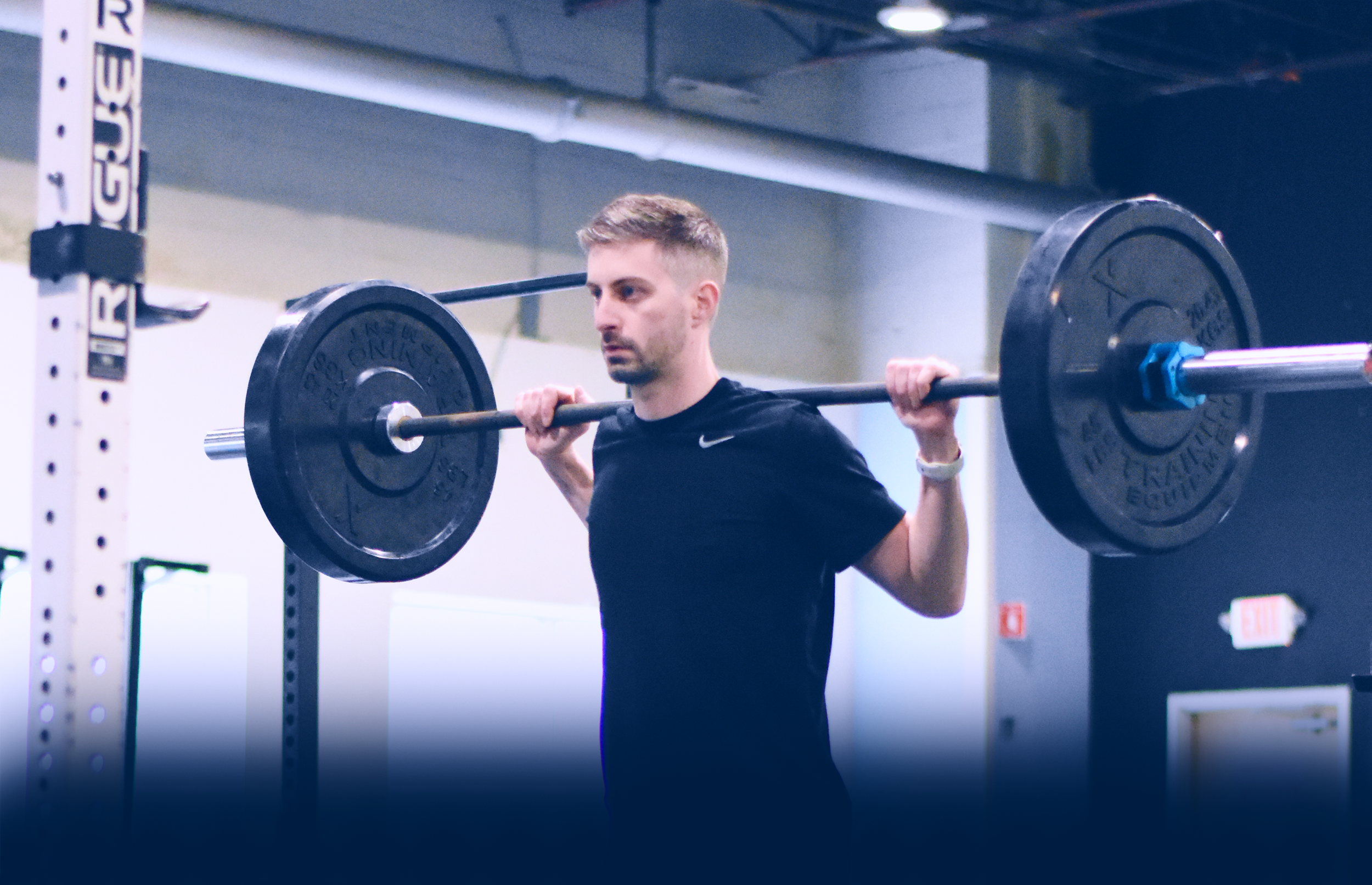
Now that your movement foundation is solid, this phase is about building real strength. You’ll progressively load key lifts and train your muscles, tendons, and nervous system to produce and absorb force more effectively.
You can expect:
Structured strength progressions for full-body development
Controlled tempo and positioning to reinforce good mechanics
Accessory work to strengthen common weak links
Conditioning elements to improve overall work capacity
-
This final phase connects your gym strength to real-world athletic performance. We introduce more dynamic work, faster intent, and resilience training so your body is prepared for sport, recreation, and life outside the gym.
You can expect:
Power and explosive movement training
Multi-directional and athletic coordination drills
Strength endurance to maintain performance under fatigue
Durability work to help you stay strong, mobile, and pain-free
Course FAQ
-
That’s completely okay — the program is designed with flexibility in mind.
Each block (Prep, Plyo, Main, Accessory) includes a set range (for example: 2–4 rounds). On days when time or energy is limited, you can perform the minimum number of rounds and still get an effective workout in. On days when you feel great, you can push toward the higher end of the range.
The key is to track what you do and aim to match or slightly improve that performance over time. Consistency and gradual progression matter more than crushing every session.
-
Your main lifts are meant to build strength and skill — not test your max strength.
Throughout all phases, you should keep 2–3 reps in reserve on your working sets. That means you should finish each set feeling like you could have done a couple more reps with good form. This helps:
Improve technique
Reduce injury risk
Support long-term progress
Prevent burnout to your nervous system
Accessory exercises, on the other hand, are where you can push closer to fatigue and challenge your muscles more directly.
-
The Extra-10 sets are optional bonus work at the end of each workout.
They usually focus on smaller muscle groups (like arms, abs, or calves) that aren’t prioritized in the main training blocks. Think of them as a way to:
Add extra volume if you’re feeling good
Focus on aesthetic or smaller muscle development
Get a little more work in without overloading your main lifts
Short on time or energy? Skip them — no problem at all.
Feeling motivated? You can even save them and combine several Extra-10 blocks into a separate “pump” or active recovery workout during the week.